






Products
Description
GLYCIPHAGE® contains the active ingredient Metformin Hydrochloride, an oral anti-diabetic drug belonging to the biguanide class of molecules that decrease glucose production by the liver.
GLYCIPHAGE®overcomes insulin resistance and it has an extra-pancreatic peripheral action. GLYCIPHAGE®does not produce hypoglycaemia in either diabetic or non-diabetic subjects and does not cause hyperinsulinemia.
GLYCIPHAGE® is indicated as an adjunct to diet and exercise, to improve glycaemic control in adults and children (13 years and above) with type 2 diabetes mellitus.
GLYCIPHAGE® can be used concomitantly with a Sulphonylureas, Thiazolidinediones, Gliptin, Glitazone, Alpha-glucosidase inhibitor or Insulin to improve glycaemic control.
Metformin GLYCIPHAGE® therapy for prevention of type 2 diabetes should be considered in those with prediabetes, especially for those with BMI$35 kg/m2, those aged ,60 years, and women with prior gestational diabetes mellitus
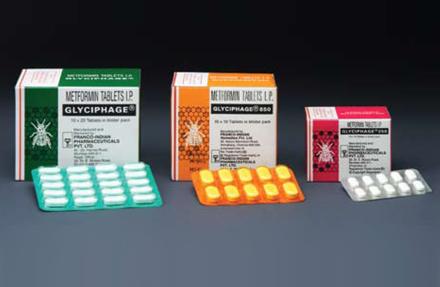
GLYCIPHAGE® GLYCIPHAGE 850® GLYCIPHAGE 250®TABLETS
(ORAL ANTI-HYPERGLYCEMIC AGENT)
Composition
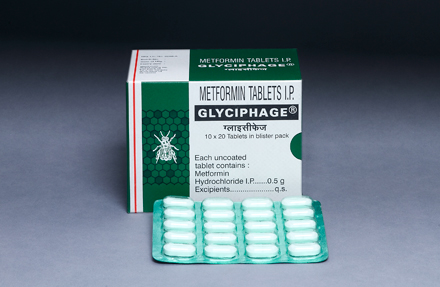
GLYCIPHAGE®
Each uncoated tablet contains:
Metformin Hydrochloride I.P. ........................................500 mg.
Excipients ..................................................................... q.s.

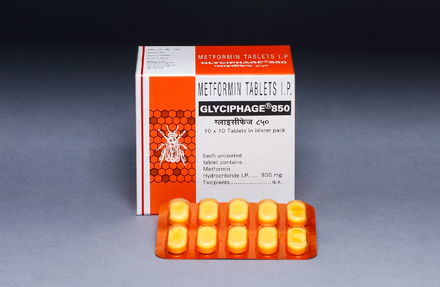
GLYCIPHAGE® 850
Each uncoated tablet contains:
Metformin Hydrochloride I.P. ....................................... 850 mg.
Excipients ..................................................................... q.s.
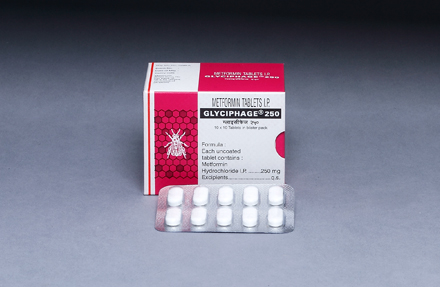
GLYCIPHAGE® 250
Each uncoated tablet contains:
Metformin Hydrochloride I.P. ........................................250 mg.
Excipients ..................................................................... q.s.
ORAL ANTI-HYPERGLYCEMIC DRUGS
ANTI-HYPERLIPIDEMIC DRUGS
ANTI-OBESITY
PAIN MANAGEMENT
ANTI-HYPERURICEMIC DRUGS
VITAMINS/MINERALS
LAXATIVE